ECOS commercial air movers and dehumidifiers drying a home after a leak to prevent mold growth

Mold on Drywall, Wood, or Carpet: What Can Be Saved and What Has to Go

Once mold shows up after a leak, the next question is usually the practical one: does this have to be torn out, or can it be cleaned and kept? The honest answer depends on what the material is made of. Mold feeds on organic material, and it grows into porous materials — not just on them. That one fact decides almost every save-or-remove call. What about mold on drywall — can it be cleaned and kept?

Drywall: mold on drywall usually has to go

Drywall is paper-faced gypsum — and the paper is mold food. Once mold is growing on or in drywall, cleaning the surface doesn’t reach what’s inside the material, and the growth comes back. In practice:

  • Moldy drywall is cut out and replaced. It’s one of the least expensive building materials to replace. That is part of why removal is the standard answer.
  • The cut usually extends beyond the visible growth. The back side of the panel — against the insulation — is often worse than the face you can see.
  • Drywall that only got wet (no growth yet) and was dried within the 24–48 hour window can often be saved.

Timing is everything, which is why Post #1 in this series is all about that window.

Wood: often can be saved

Solid wood — framing, studs, subfloor, solid doors — is different. Mold grows mainly on the surface of solid wood rather than deep into it, so it can usually be cleaned:

  • Surface growth is removed by HEPA vacuuming, scrubbing or sanding, and an antimicrobial treatment. Then the wood is dried to a safe moisture level and can be sealed if needed.
  • The exception is wood that has started to rot. Rot is structural damage, not just mold — soft, spongy, or crumbling wood has to be replaced regardless of cleaning.
  • Engineered wood products (particleboard, MDF, cheap laminate cores) behave more like drywall: they swell, break down, and usually have to go.

Carpet and padding: the padding almost always goes

  • Carpet padding is a sponge. Once it’s moldy, it cannot be reliably cleaned and is removed — it’s inexpensive to replace.
  • The carpet itself is a judgment call: carpet that was wet briefly and dried fast can sometimes be cleaned and kept. Carpet with visible mold growth, a persistent musty smell after cleaning, or sewage/contaminated water exposure should be replaced.
  • Hard floors split the difference: tile and sealed concrete clean up well; laminate and floating floors trap moisture underneath and often have to be lifted to dry what’s below, even if the boards themselves survive.

What about furniture and belongings?

  • Solid wood furniture: usually cleanable, like framing.
  • Upholstered furniture, mattresses, and stuffed items that stayed wet: very difficult to clean reliably — most are discarded if moldy.
  • Paper, cardboard, and documents that are moldy are generally not salvageable in a practical sense.

The rule of thumb

If it’s porous, inexpensive, and mold is growing in it — drywall, padding, insulation, ceiling tile — it comes out. If it’s solid, structural, or valuable — framing, solid wood, tile, concrete — it can usually be cleaned and dried in place. And if it only got wet and was dried inside 48 hours, much of it never has to be decided at all.

When to get a professional opinion

Get the material checked before you start cutting or cleaning if the moldy area is larger than about a closet, if growth is inside a wall or under a floor, or if anyone in the home has asthma or a weakened immune system. A moisture meter and a look inside the wall cavity — before demolition — keeps the removal limited to what actually has to go.

ECOS Environmental & Disaster Restoration handles mold remediation across Colorado — if you’re deciding what can stay and what has to go after a leak, we’re glad to assess it first.

ECOS commercial air movers and dehumidifiers drying a home after a leak to prevent mold growth

How Fast Does Mold Grow After a Leak or Burst Pipe?

A pipe bursts, a supply line leaks, or a water heater fails. You shut off the water, mop up what you can see, and the house looks dry again. So the problem is over — right? How fast does mold grow after a leak like this?

Not quite. The water you can see is only part of it. Water soaks into drywall, insulation, carpet padding, and the wood framing inside your walls, and mold can start growing on those damp materials in as little as 24 to 48 hours. That short window is why what you do in the first two days after a leak matters more than almost anything else.

The first 24 hours: wet, but usually still salvageable

In the first day, materials are wet but mold growth is typically just getting started — mold spores are everywhere in normal indoor air, and they begin to germinate when they land on a damp surface with something to feed on, like the paper backing on drywall or dust in carpet padding.

This is the best time to act:

  • Keep drying: run fans, open cabinet doors, and use a dehumidifier if you have one.
  • Move wet rugs, boxes, and furniture out of the damp area so air can circulate.
  • Take photos of everything wet for your insurance records, if you haven’t already.

If the pipe has just burst, start with our guide: Frozen or Burst Pipe? What to Do in the First Hour.

24 to 48 hours: how fast does mold grow

By the second day, mold can be actively growing inside wall cavities and under flooring — places you can’t see. A musty smell is often the first sign, even when the surface looks dry. Painted drywall can feel dry to the touch while the insulation behind it is still wet.

After 48 hours: the job gets bigger

The longer materials stay damp, the more likely it is that:

  • Drywall and carpet padding will need to be removed rather than dried in place.
  • Growth spreads to adjoining materials that were only lightly damp at first.
  • A problem that could have been handled with drying equipment becomes a remediation job, with containment and removal.

None of this is meant to alarm you — it’s the reason restoration professionals talk so much about the 24-to-48-hour window. Drying fast is what keeps a leak from becoming two separate problems: water damage and mold.

What actually needs to dry (and what most people miss)

  • The base of walls: water wicks upward into drywall well above the visible waterline.
  • Under hard floors: laminate and engineered wood can trap moisture against the subfloor.
  • Inside cabinets and vanities: enclosed, still air slows drying to a crawl.
  • Carpet padding: it holds water like a sponge even when the carpet surface feels dry.

When to call a professional

Call for help if any of these apply:

  • The wet area is larger than a small closet, or more than one room got wet.
  • Water sat for more than a day before you found it — common in second homes and vacant houses.
  • You smell a musty odor a few days after the leak, even though everything looks dry.
  • Anyone in the home has asthma or allergies that seem worse since the leak.

A moisture check with professional meters can tell you what’s still wet inside a wall — without tearing anything open unnecessarily.

The short version: how fast does mold grow

How fast does mold grow? Mold doesn’t need weeks. Given damp drywall, carpet padding, or wood, it can get started in 24 to 48 hours. Shut the water off fast, dry aggressively for the first two days, and if the water reached inside walls or floors, get it checked. That’s how a burst pipe stays a plumbing repair instead of becoming a mold problem.

ECOS Environmental & Disaster Restoration responds to water damage and mold concerns across Colorado — if you’re not sure how wet things still are after a leak, we’re glad to check.

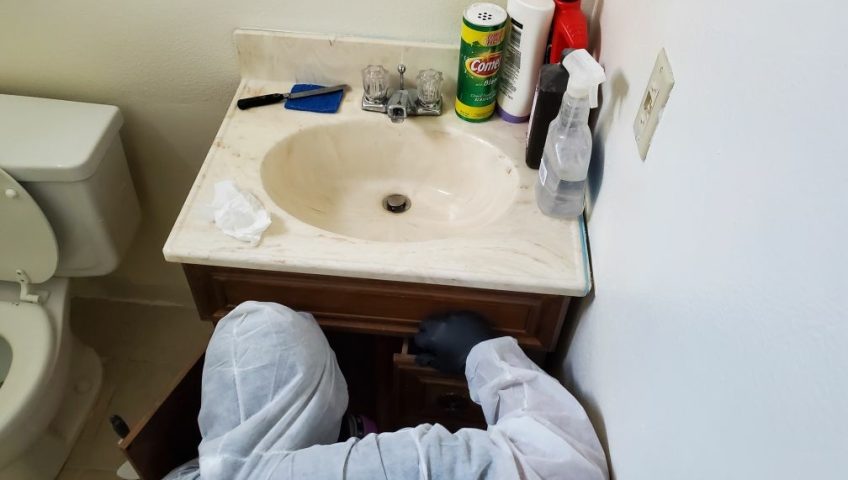
ECOS technician inspecting water damage from a leaking pipe under a bathroom sink

Frozen or Burst Pipe? What to Do in the First Hour

When temperatures drop in the Colorado mountains, water in pipes can freeze, expand and crack the pipe. Often the break isn’t noticed until the pipe thaws and water starts pouring into walls, ceilings and floors. In resort towns like Aspen and Vail, it frequently happens in second homes while the owners are away.

What you do in the first hour makes a big difference in how much damage you end up with.

1. Shut off the water

Find your main water shut-off valve and turn it off. In many Colorado homes it’s in the basement, a utility room, a crawl space or near the water heater. If you can’t find it, call your water provider. Knowing where the valve is before winter is one of the best things you can do.

2. Turn off electricity to wet areas

If water is near outlets, light fixtures or appliances, turn off power to those areas at the breaker panel, but only if you can reach it without standing in water. Safety comes first.

3. Move what you can

Lift furniture off wet carpet, move rugs, electronics, documents and valuables to a dry area, and place foil or blocks under furniture legs to keep stains from spreading.

4. Document the damage

Take photos and video of the water, the damaged areas and the broken pipe before cleanup starts. Your insurance company will want them.

5. Call a water damage restoration company right away

Water keeps moving into drywall, insulation, subfloors and cabinets long after the leak stops. Within 24 to 48 hours, mold can begin to grow. Professional drying equipment and moisture meters find and remove the water you can’t see.

What ECOS does after a burst pipe

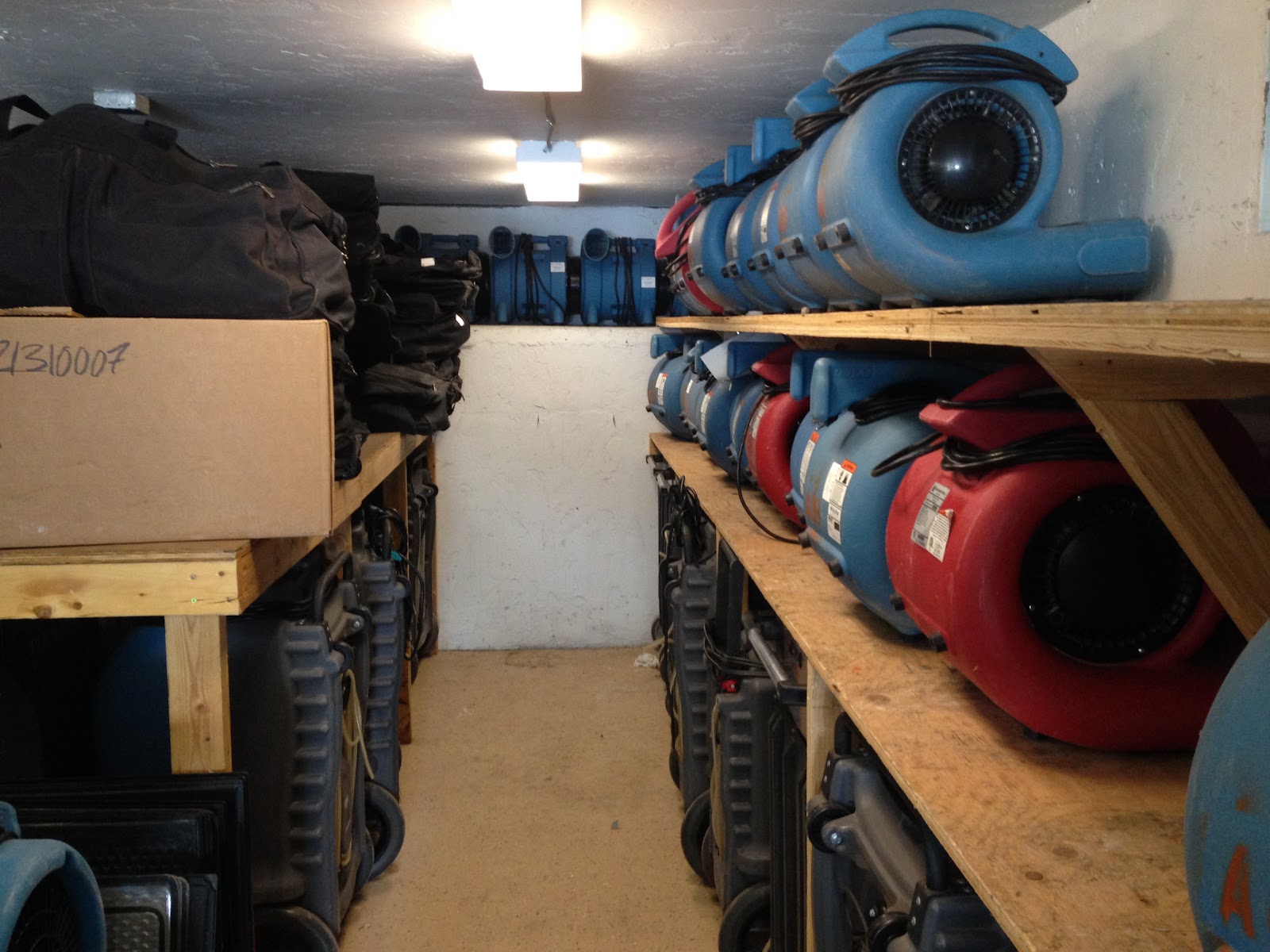
ECOS commercial air movers and dehumidifiers ready for structural drying
ECOS keeps commercial air movers and dehumidifiers ready for 24/7 water damage calls.
  • 24/7 emergency response, including nights, weekends and holidays
  • Water extraction from carpets, floors and hard surfaces
  • Structural drying with commercial dehumidifiers and air movers
  • Moisture mapping to find water hidden in walls and under floors
  • Mold prevention and treatment when needed
  • Working with your insurance and documenting the loss

Learn more about our water damage restoration services.

Preventing frozen pipes this winter

  • Keep the heat at 55°F or higher, even when you’re away.
  • Open cabinet doors under sinks on exterior walls so warm air reaches the pipes.
  • Disconnect garden hoses and shut off outdoor spigots.
  • Insulate pipes in garages, crawl spaces and attics.
  • If you leave for the season, have someone check the home regularly, or shut off and drain the water.

Serving Colorado homes 24/7

ECOS responds to frozen and burst pipe damage from offices in Glenwood Springs, Aspen, Boulder, Grand Junction, Parachute and Aurora, serving the Roaring Fork Valley, Vail and Steamboat Springs, the I-70 corridor, the Western Slope and the Front Range.

Burst pipe? Call ECOS now at 888-375-3267.

Mold Testing

Mold Testing

ECOS mold testing experts are available every day of the week to respond to your property for a mold inspection. Our expertise in mold testing Colorado ensures that your property is thoroughly inspected for any mold issues. ECOS has offices in Aspen, Boulder, Glenwood Springs, Grand Junction, Steamboat Springs, and soon Vail. We actively do mold inspections out of each of these offices. ECOS has been conducting mold inspections for almost 13 years. We want to bring our experience and exceptional customer service to you. We can respond fast to your home or office to conduct a thorough inspection to identify the full extent of mold infestation. Our technicians are IICRC certified, bonded, and fully insured. We maintain the highest level of service standards, ensuring that integrity, professionalism, and complete customer satisfaction. We can handle mold tests, mold inspections, and mold remediation. We are a one stop shop that handles your mold problem from beginning to end. ECOS follows strict mold remediation protocols to ensure safe and effective mold removal.

Mold Inspection

ECOS is an IICRC certified firm with professionals who are also IICRC certified for water (WRT) and mold (AMRT). ECOS conducts regular mold inspections for our residential and commercial customers. Our inspections utilize specialized equipment to accurately identify mold growth and its sources. Visible mold is a clear indicator of potential mold problems that require immediate attention. In addition to mold inspections, we conduct mold testing and mold removal services.  If you believe your home or office has an infestation, call ECOS right away and we will meet you at your property for a thorough mold inspection and a remediation estimate. Two things a mold inspector looks for is the presence of mold and its water source like leaky pipes, point of entry from outside, and water damage.

Mold Inspection Services

Mold inspection services are designed to identify and assess mold growth in residential and commercial properties. A thorough mold inspection involves a visual examination of the property, including hidden areas such as behind walls, under floors, and in crawl spaces. Certified mold inspectors use specialized equipment, such as moisture meters and thermal imaging cameras, to detect excessive moisture and identify areas conducive to mold growth. The goal of a mold inspection is to determine the presence, location, and extent of mold growth, as well as to identify the underlying causes of the mold problem.

Mold Testing

Because infestations like black mold sometimes result from water damage, mold testing Colorado services will perform a precautionary mold test to determine if unsafe levels of mold are present. If their air quality test shows an inordinately high level of mold toxins, then remediation procedures are added to their action plan. In some cases, the client may prefer to seek a third-party mold tester for verification.

ECOS is certified as an independent Mold Testing Service, but regularly work with third-party testers when clients request a black mold test with laboratory results. We outsource the mold test for our remediation projects because of a conflict of interest issue. A mold problem confirmed by a reputable Industrial Hygienist (IH) allows us to do the remediation work.

We just had a remediation job come our way after outsourcing the mold test to a third-party company. Essentially, we never want give a client reason to suspect our company of falsifying a mold test to show an infestation for the purpose of gaining additional business in the form of mold remediation.

After ECOS completes a remediation project, the third party IH will then provide a PRV (Post Remediation Verification) Report to confirm we successfully eliminated the mold and dramatically elevated the indoor air quality of their property to an environment that is safe for occupants. The PRV test (or clearance test) can show if the mold has been cleared out to at least a prescribed “safe” level. These mold experts will compare the mold spore count inside the infested areas to other areas of the affected property, inside and outside.

After a mold remediation project is completed, many remediation services will perform their own mold test for verification that the job has been completed successfully. However, hiring a third-party mold tester, such as an independent licensed IH who has no vested interest in the outcome, is advisable from a customer’s point of view.

What is Mold Testing?

Mold testing Colorado is a crucial process used to detect and identify the presence of mold in a building or home. This involves collecting samples of air, surface, or bulk materials and analyzing them for mold spores. Certified mold inspectors or professional mold testing companies typically perform these tests to ensure accuracy and reliability. The primary goal of mold testing is to determine if a mold problem exists, identify the type of mold present, and provide recommendations for effective mold remediation. By understanding the extent and nature of the mold infestation, property owners can take appropriate steps to address the issue and maintain a healthy indoor environment.

Why is Mold Testing Important?

Mold testing Colorado plays a vital role in safeguarding health and property. Mold exposure can lead to a range of health issues, including allergic reactions, respiratory problems, and even neurological issues due to mycotoxins produced by certain molds. Identifying mold problems early through mold testing can help mitigate these health risks. Additionally, mold testing can pinpoint areas of excessive moisture, which are breeding grounds for mold growth and can cause structural damage over time. By addressing mold problems promptly, homeowners and building managers can avoid costly repairs and ensure a safe and healthy living or working environment.

Mold Testing Methods

Mold testing Colorado offers several effective methods designed to detect mold spores and identify mold growth:

  • Air Sampling: This method involves collecting air samples using specialized equipment to capture mold spores present in the air. These samples are then analyzed to determine the concentration and types of mold spores.
  • Surface Sampling: This technique involves collecting samples from surfaces using swabs or tape lifts. These samples are analyzed to identify mold spores on various surfaces within the property.
  • Bulk Sampling: This method involves collecting samples of bulk materials, such as pieces of drywall or carpeting, and analyzing them for mold spores. It helps in identifying mold growth within building materials.
  • Moisture Testing: Excessive moisture is a key factor in mold growth. Moisture testing uses specialized equipment to detect areas with high moisture levels, which can indicate potential mold problems.

Each of these methods provides valuable insights into the presence and extent of mold, helping to develop effective mold remediation strategies.

Mold Testing Process

The mold testing process typically involves collecting samples from the property, which are then sent to a laboratory for analysis. There are several types of mold testing, including air testing, surface testing, and bulk testing. Air testing involves collecting a sample of air from the property, which is then analyzed for the presence of mold spores. Surface testing involves collecting a sample from a surface, such as a wall or floor, and analyzing it for the presence of mold. Bulk testing involves collecting a sample of material, such as drywall or carpeting, and analyzing it for the presence of mold. The results of the mold testing are used to determine the type and extent of mold growth, as well as to develop a plan for mold remediation.

Understanding Mold Test Results

Mold testing Colorado can be complex and typically requires the expertise of certified mold inspectors or a professional mold testing company. The results will usually include detailed information on the type and quantity of mold spores present in the samples. Based on these findings, recommendations for mold remediation are provided. It’s important to understand that mold test results are not always definitive and may necessitate additional testing or inspection to confirm the presence of a mold problem. Professional interpretation ensures that the results are accurately understood and appropriate actions are taken to address any mold issues.

Commercial and Residential Services

ECOS Environmental & Disaster Restoration has performed residential and commercial mold inspections and mold testing Colorado for almost 13 years.

To schedule an appointment with certified mold inspectors, call ECOS at 888-375-3267

Choosing a Mold Testing Company

When choosing a mold testing company, it’s essential to select a company that is certified, experienced, and unbiased. Look for a company that is certified by a reputable organization, such as the Indoor Air Quality Association (IAQA) or the National Organization of Remediators and Mold Inspectors (NORMI). A certified mold testing company will have the necessary training and equipment to conduct a thorough mold inspection and testing. It’s also essential to choose a company that is experienced in mold testing and remediation, as they will have the necessary knowledge and expertise to identify and address mold problems effectively. Finally, choose a company that is unbiased and does not offer mold remediation services, as this can create a conflict of interest.

Mold Clearance

The EPA recommends you hire a professional for mold testing Colorado to remove toxic mold, such as black mold, especially if it has infested an area larger than 10 square feet.

Since mold growths stem from an issue with excessive moisture or water in your house, the first step to take in mold clearance procedure is to locate the source (i.e. a leaking pipe, entry point of outside water) and fix that problem.

If you remove the mold yourself, be sure your body is completely protected. Your clothing should cover your entire body to avoid skin contact with airborne toxins. After removing the mold, the clothes should be thrown away or immediately cleaned with a powerful detergent. You need to wear gloves when you handle the moldy surfaces. Never allow your skin to make direct contact because it can cause extreme irritation. Goggles, masks and breathing apparatus will protect your eyes, face and lungs from the mold toxins. One of the symptoms of the black mold toxin is respiratory problems.

Before you begin the mold clearance, make sure the affected room is completely sealed to contain the mold spores and toxins which will be disturbed as the infestation is removed. Plastic can be used to seal the gap around the door. Any windows should be left open to allow ventilation as you perform the mold clearance.

The room must be thoroughly scrubbed with a strong antimicrobial product for the mold removal; some common household products that will kill mold include bleach, borax, vinegar, and pine oil.

Contents of the room should be cleaned or thrown away. Porous items are almost impossible to clean completely and will likely have to be discarded. Remove them through a window if possible or wrap them in plastic and take them outside. Non-porous surfaces can be cleaned with one of the antimicrobial products. Any sheets, comforters, or other fabric products should be safely wrapped and immediately washed separately from other household items.

To clean up the room after a mold removal, use an HEPA (high efficiency particle air) vacuum. Another type of vacuum will not capture all the mold spores and could allow a recurrence.

Mold Clearance and Remediation

Mold clearance and remediation involve the removal of mold from a property, as well as the correction of the underlying conditions that led to the mold growth. Mold remediation typically involves the use of specialized equipment and techniques, such as containment, ventilation, and cleaning. The goal of mold remediation is to remove all visible mold and to prevent future mold growth. Mold clearance involves verifying that the mold has been removed, and that the property is safe for occupancy. This typically involves conducting a thorough inspection and testing to ensure that the mold has been removed and that the air quality is safe.

Common Sources of Mold or Common Areas Where Mold is Found

Mold can thrive in various areas within a property, especially where mold testing Colorado is necessary. Common sources and areas where mold is often found include:

  • Bathrooms and Kitchens: These areas frequently have excessive moisture, making them prime locations for mold growth.
  • Basements and Crawl Spaces: High humidity levels in these areas can lead to mold infestations.
  • Attics and Roofs: Water damage from leaks can create an environment conducive to mold growth.
  • Behind Walls and Under Flooring: Hidden moisture from leaks or condensation can accumulate, fostering mold growth in these concealed areas.
  • Poorly Ventilated Areas: Closets, storage areas, and other spaces with inadequate ventilation can trap moisture, leading to mold problems.
  • Water-Damaged Areas: Flooded basements, ceilings, and other areas affected by water damage are at high risk for mold infestations.

By understanding these common sources and areas, homeowners and building managers can take proactive steps to prevent mold growth. Regular mold testing and inspections are essential in identifying potential mold problems before they escalate, ensuring a healthy indoor environment.

Common Sources of Mold or Common Areas Where Mold is Found

Mold testing Colorado can help identify black mold in any number of places that have moisture, oxygen, and an organic substance (including wood, some paper products, and some fabrics). Black mold is often related to water-damage events if restoration work is delayed or mishandled. When a water-related incident takes place, the damaged components must be removed and the affected areas thoroughly cleaned and dried to eliminate the risk of a mold infestation.

A mold colony can develop in any number of places in a home and is commonly found in hidden places that have excessive moisture. A slow leaking pipe in a basement or inside a wall can allow mold to grow unseen for a relatively long period of time before it is discovered. When a mold inspection/remediation service looks for hidden mold, they use specialized equipment like infrared moisture detection.

Mold Prevention

  • A leaky pipe hidden inside a wall or in an attic can give root to black mold, so hiring a professional remediation team for regular mold testing Colorado and inspections will prevent molds from flourishing in your home.
  • Ventilate your home to keep excessive moisture from building up will help prevent mold.
  • Use dehumidifiers in your home to reduce moisture in the air, creating an environment that is inhospitable to mold.
  • Another way to prevent mold infestations is using HEPA vacuuming to pick and trap the tiny mold spores before can grow and spread.
  • Mold prevention steps can be taken in your bathroom. One step, run the fan in your bathroom during and following a bath to help reduce moisture build-up. Also, frequently wash your clothing to keep dirty laundry from piling up. Finally, keep bathtub and sink areas clean using bleach or borax.

Preventing Future Mold Growth

Preventing future mold growth requires addressing the underlying conditions that led to the mold problem in the first place. This typically involves correcting excessive moisture, improving ventilation, and reducing humidity. It’s also essential to regularly inspect the property for signs of mold growth and to address any issues promptly. Additionally, consider implementing a mold prevention plan, which may include regular cleaning and maintenance, as well as the use of mold-resistant products. By taking these steps, you can help prevent future mold growth and ensure a safe and healthy indoor environment.

Contact ECOS on 970-945-4407 as soon as possible when you need Mold Testing Services.

If you’re looking for reliable mold testing Colorado services, you’ve come to the right place.

Long Term Mold Exposure

The Long-Term Mold Exposure Side Effects

Mold gives humanity some pleasant things, such as blue cheese and penicillin. However, exposure to mold can have negative long-term side effects on human health, causing serious infection and allergies. Some molds produce harmful substances known as mycotoxins, which can exacerbate health issues.

Active mold growth needs moisture to thrive. Mold can develop within 24 hours when disasters strike and lead to water damage. That orange film on your kitchen drain is mold, and so is that fuzzy white stuff on your basement floor. Some people are more sensitive to mold than others. Mold can still irritate your eyes, nose, throat, lungs and skin and affect your health in the long-term.

Understanding Mold Exposure

Mold exposure occurs when individuals inhale mold spores, which can lead to a variety of health problems. Prolonged exposure to mold can result in allergy-like symptoms such as a runny nose, congestion, eye irritation, sneezing, coughing, sore throat, wheezing, lung irritation, and respiratory infections. In more severe cases, mold exposure can trigger asthma symptoms, skin irritation, and even neurological issues. It’s essential to understand that mold exposure can affect anyone, regardless of age or health status. Being aware of these symptoms can help you take timely action to mitigate the effects of mold exposure on your health.

What is Mold Exposure?

Mold exposure occurs when individuals inhale or come into contact with mold spores, which can lead to a variety of health problems. Mold is a type of fungus that thrives in damp environments and can be found both indoors and outdoors. When mold grows, it releases tiny spores into the air. These mold spores can be inhaled, causing allergic reactions, respiratory issues, and other health problems. Understanding mold exposure is crucial for recognizing the potential risks and taking steps to protect your health.

From Mild to Long-Term Side Effects

Sensitivity to molds can cause throat irritation, coughing, wheezing, nasal stuffiness, eye irritation and skin irritation. Over time, individuals may develop symptoms based on their sensitivity and the extent of exposure. In severe cases, individuals may experience neurological symptoms such as memory loss and confusion. Those with a mold allergy and who experience prolonged exposure to mold can have more severe reactions. If you have a chronic lung illness or a compromised immune system, infection due to mold exposure may affect you more seriously.

In 2004, the Institute of Medicine (IOM) linked indoor mold exposure with upper respiratory tract symptoms and illness in both adults and children. Otherwise healthy individuals coughed and wheezed. Those with asthma experienced excessive asthma symptoms. Susceptible individuals exposed to damp indoor environments had an increased risk of developing asthma.

Those with compromised immune systems were more likely to become susceptible to hypersensitivity pneumonitis. Some findings suggest that early interventions in improving housing conditions mitigate the morbidity from respiratory allergies and asthma.

Those with allergies can have more serious symptoms that make you feel like you have the flu or pneumonia with chest colds, headaches, persistent exhaustion, frequent coughing, fever and difficulty breathing. Toxic mold exposure is also connected to more serious, long-term effects like insomnia, memory loss, trouble concentrating and confusion. Mold exposure contributes to depression and anxiety. It can even lead to muscle cramps, numbness in extremities, weight gain, light sensitivity and hair loss.

Symptoms of Mold Exposure

Symptoms of mold exposure can vary widely depending on the individual and the type of mold present. Common symptoms include:

  • Allergic Reactions: Sneezing, runny nose, and itchy eyes are typical signs of an allergic reaction to mold.
  • Respiratory Issues: Coughing, wheezing, and shortness of breath can occur when mold spores irritate the respiratory system.
  • Skin Irritation: Rashes and itching are common skin reactions to mold exposure.
  • Headaches and Fatigue: Persistent headaches and chronic fatigue can also be symptoms of mold exposure.
  • Neurological Problems: In severe cases, mold exposure can lead to memory loss, mood changes, and other neurological issues.

Recognizing these symptoms early can help you take action to mitigate the effects of mold exposure on your health.

Asthma Symptoms and Long Term Mold Exposure

Mold exposure can significantly impact individuals with asthma, triggering a range of asthma symptoms. When mold spores are inhaled, they can cause inflammation in the airways, leading to:

  • Wheezing and Coughing: These are common asthma symptoms exacerbated by mold exposure.
  • Shortness of Breath: Mold spores can make it difficult to breathe, especially for those with asthma.
  • Chest Tightness: This uncomfortable sensation can be a direct result of mold exposure.
  • Asthma Attacks: In severe cases, mold exposure can trigger an asthma attack, which requires immediate medical attention.

Understanding the link between mold exposure and asthma symptoms is essential for managing asthma effectively and maintaining good respiratory health.

Long Term Mold Exposure Effects

Prolonged long term mold exposure can have serious long-term effects on human health. Some of the potential long-term effects include:

  • Chronic Fatigue and Respiratory Problems: Continuous exposure to mold can lead to persistent fatigue and ongoing respiratory issues.
  • Skin Irritation and Allergic Reactions: Long-term exposure can cause chronic skin irritation and exacerbate allergic reactions.
  • Neurological Problems: Memory loss, mood changes, and other neurological issues can result from extended mold exposure.
  • Weakened Immune System: Prolonged exposure to mold can weaken the immune system, making individuals more susceptible to infections.

Addressing mold issues promptly is crucial to avoid these long-term health problems and protect your overall well-being.

Who is Most at Risk?

Certain individuals are more susceptible to the effects of mold exposure. People with weakened immune systems, such as those with HIV/AIDS, undergoing chemotherapy, or taking immunosuppressive medications, are at higher risk. Additionally, individuals with pre-existing respiratory conditions like asthma or chronic obstructive pulmonary disease (COPD) are more likely to experience severe mold exposure symptoms. Children, older adults, and people with mold allergies are also at increased risk. Understanding who is most vulnerable can help in taking preventive measures to protect their health from the adverse effects of mold exposure.

Identifying Mold Growth

Mold growth can occur in any environment where moisture is present. Common areas where mold growth is likely to occur include bathrooms, kitchens, basements, and crawlspaces. To identify mold growth, look for visible signs such as black or green patches, musty odors, or water stains. Mold can also grow behind walls, under flooring, and in ductwork, making it essential to inspect these areas regularly. Early detection of mold growth can help in taking prompt action to prevent further spread and potential health risks. Effective moisture control is essential to prevent mold growth and maintain a healthy environment.

Mold Inspection and Testing

A mold inspection is a visual assessment of an area to determine whether mold is present. Mold testing, on the other hand, involves collecting samples of mold and analyzing them in a laboratory. There are different types of mold testing, including air sampling, surface sampling, and bulk sampling. Mold testing can help identify the type of mold present, its concentration, and the extent of the infestation. Understanding the specifics of mold inspection and testing can aid in effectively addressing mold issues and ensuring a safe living environment.

Black Mold Is Toxigenic

Certain molds prove toxigenic, which means that they produce mycotoxins that cause ill health effects. A little mold is everywhere, but not all mold is “poisonous.” That doesn’t mean you should ignore mold.

Most are familiar with black mold, which is toxigenic and produces mold spores. Mold symptoms can include respiratory issues, skin irritation, and neurological problems. These form colonies and grow with other spores. High concentrations of these mycotoxins can cause mold poisoning in healthy people, too.

Mold poisoning is also known as mycotoxicosis. This condition affects the upper respiratory system with harmful cold or flu-like symptoms. Additional symptoms due to mycotoxins can prove fatal. That’s especially true for those with severe allergies, asthma or other conditions.

Green-black mold is also harmful. It’s found on paper, dust, lint, fiberboard and other low-nitrogen content materials. It can develop and spread after water leaks, floods and condensation.

Until you know more, treat all molds the same due to the potential long-term side effects and health risks. Take mold growth seriously. You will usually see the mold colony and smell the signature “musty” smell.

Removing Mold Safely

Removing mold safely requires proper equipment, training, and precautions. It’s essential to wear protective gear, including gloves, masks, and eye protection, to prevent exposure to mold spores. The affected area should be contained to prevent mold spores from spreading to other parts of the building. A solution of water and bleach can be used to clean the mold, but it’s crucial to rinse the area thoroughly and dry it completely to prevent future mold growth. In severe cases, it’s recommended to hire a professional mold remediation company to ensure safe and effective removal. Taking these steps can help in maintaining a healthy indoor environment and preventing future mold growth.

Responding to a Mold Infestation

If you suspect a mold infestation in your home, it’s essential to respond quickly to prevent further mold growth and minimize health risks. Here are some steps to take:

  • Identify and Contain the Mold Growth Area: Locate the mold and contain the area to prevent spores from spreading.
  • Wear Protective Gear: Use gloves, masks, and eye protection to avoid exposure to mold spores.
  • Clean the Mold: Use a solution of water and bleach to scrub the mold. Rinse the area thoroughly with clean water.
  • Dry the Area Completely: Ensure the area is completely dry to prevent future mold growth.
  • Consider Professional Help: If the mold growth is extensive, hiring a professional mold remediation company is recommended.

To prevent future mold growth, take these additional steps:

  • Control Moisture Levels: Use a dehumidifier to maintain a relative humidity level below 50%.
  • Fix Water Leaks: Address any water leaks or condensation issues promptly.
  • Improve Ventilation: Ensure proper ventilation in your home, especially in moisture-prone areas.
  • Regular Cleaning and Inspection: Regularly clean and inspect your home for signs of mold.

By taking these steps, you can minimize the risk of mold exposure and protect your health.

Prevent Long Term Mold Exposure With Routine Maintenance

To prevent mold growth, we suggest using a dehumidifier during the warm months and providing your home or business with the proper ventilation. Maintaining good indoor air quality is crucial for preventing mold-related health issues. Use exhaust fans in bathrooms and kitchens. Clean surfaces with mold-killing products.

Keep your humidity levels below 50 percent. Humidity levels shift throughout the day. Inspecting your structure for mold growth is an important part of routine building maintenance.

Seek treatment from a doctor soon as you notice any eye irritation, skin irritation or other common symptoms after exposure to mold, especially when symptoms persist. It’s better to be safe than sorry. ECOS Environmental is happy to step in and test your home or business for mold and assist with the cleanup and renovation.

Call us 24/7 at 888-375-3267

Image: Pixabay

Comments for this post are closed.

Why DIY Black Mold Remediation Does Not Work

Black mold is one of the most dangerous types of mold you can encounter in your home. It’s not just unsightly; it’s a health hazard. Yet, many homeowners believe they can handle black mold removal on their own. While the idea of saving money might seem appealing, DIY black mold remediation often leads to bigger problems. Here’s why it’s a bad idea:

1. Lack of Proper Knowledge about Black mold

Mold removal isn’t just about scrubbing the visible spots with bleach or vinegar. Black mold, specifically, releases spores into the air when disturbed. These spores can spread throughout your home, making the problem worse. Without professional knowledge, you may not address the root cause—moisture. Removing mold without fixing the underlying issue will only lead to its return.

2. Insufficient Protective Gear

Dealing with black mold requires specialized protective equipment. Professionals use gear such as respirators, gloves, goggles, and full-body suits to avoid exposure to harmful spores. Most DIYers rely on basic masks or gloves, which are not sufficient to protect against the risks of inhaling or coming into contact with toxic mold spores.

3. Risk to Health

Exposure to black mold can cause serious health problems. Symptoms include respiratory issues, skin irritation, headaches, and even chronic fatigue. For individuals with allergies, asthma, or weakened immune systems, the risks are even higher. Attempting remediation without the right tools and expertise can increase your exposure, putting your health at risk.

4. Lack of Proper Tools and Materials

Professional mold remediation companies use advanced tools like HEPA filters, air scrubbers, and moisture meters. These tools ensure thorough mold removal and prevent spores from spreading. DIY attempts often rely on household cleaners and fans, which can inadvertently spread mold instead of containing it.

5. Inability to Identify All Affected Areas

Mold is sneaky. It often grows in hidden places like behind walls, under floors, or in HVAC systems. Professionals are trained to detect mold in these less obvious areas using specialized equipment. DIY efforts may miss these hidden spots, leaving behind mold that will continue to grow and spread.

6. Risk of Cross-Contamination

When mold is disturbed, spores are released into the air. Without proper containment, these spores can travel to other parts of the house. Professionals use containment techniques, like sealing off the affected area, to prevent cross-contamination. Most DIYers lack the knowledge and tools to contain mold effectively.

7. Wasting Time and Money

DIY mold removal might seem cost-effective at first, but it often leads to more expenses down the line. If the mold isn’t removed properly, it will return. This means you’ll spend more time and money trying to fix the problem repeatedly. In some cases, improper removal can even cause structural damage, leading to costly repairs.

8. Legal and Insurance Complications

Improper mold remediation can lead to legal issues if you’re selling your home. Buyers often require proof that mold has been professionally removed. Additionally, insurance companies may not cover mold-related claims if the remediation isn’t handled by certified professionals.

9. Professionals Provide Long-Term Solutions for Black mold

Mold removal isn’t just about cleaning; it’s about prevention. Professionals address the underlying causes of mold growth, such as leaks or high humidity levels. They also provide guidance on keeping your home mold-free in the future. DIY solutions rarely include these long-term strategies.

Trust the Experts for Mold Remediation

When it comes to black mold, professional remediation is the safest and most effective option. Trying to tackle it yourself can lead to health risks, increased mold spread, and costly mistakes. Save yourself the stress and potential danger by calling in the experts.

Say Goodbye to Mold with ECOS Mold Removal Services!

Don’t let black mold take over your home. ECOS offers professional, reliable, and thorough mold removal services to ensure your home is safe and mold-free. We provide our services in different locations. With years of experience and advanced tools, we’ll handle the problem so you don’t have to.

  •  Comprehensive Remediation
  •  Certified Professionals
  • 24/7 Emergency Services

Click here to learn more about ECOS and schedule your service today!

Water Damage Restoration Procedures

Water damage can turn your property’s comfort and safety upside down. Swift action is crucial whether a burst pipe, flooding, or a leaking roof causes it. The longer water sits, the more damage it causes to your home and health. Professional water damage restoration follows a proven process to address the problem effectively and restore your property to its original condition. Here’s a detailed look at the essential steps involved.

1. Emergency Response and Assessment

Water damage doesn’t wait, and neither should you. The first step in restoration is a quick emergency response to prevent the problem from worsening. Certified professionals arrive on-site, assess the damage, and determine the extent of water intrusion. They use tools like moisture meters and thermal imaging to pinpoint affected areas, even those not visible to the eye.

2. Water Removal and Extraction

Removing standing water is a top priority. To extract water from the property, use high-powered pumps and vacuums. This step minimizes further damage and prepares the area for the drying process. Fast action during water extraction reduces the risk of mold growth and structural weakening.

3. Drying and Dehumidification

Water removal alone isn’t enough. Moisture left behind can cause lingering damage. Professionals use industrial-grade fans, air movers, and dehumidifiers to thoroughly dry the affected areas. They monitor humidity levels and adjust equipment as needed to ensure the property is completely dry.

4. Cleaning and Sanitizing

Water damage often brings contaminants, bacteria, and debris into your home. Cleaning and sanitizing are crucial to eliminate these health hazards. Professionals use specialized cleaning solutions to treat surfaces, furniture, and belongings. If the carpets and upholstery are beyond salvage, they are thoroughly cleaned or discarded.

Air filtration devices may also be employed to improve indoor air quality during this stage.

5. Mold Remediation

Mold is a common consequence of water damage if left untreated. Restoration teams inspect for mold and use safe, effective methods to remove it. This ensures your property remains healthy and mold-free in the long term.

6. Structural Repairs and Restoration

Water can weaken walls, flooring, and other structural elements. After the water is removed and the property is clean, repairs begin. This may include replacing damaged drywall, fixing flooring, repainting, and restoring furniture.

The goal is to make your home or business look as good as new—or even better.

7. Final Inspection and Prevention Strategies

Once the restoration process is complete, a thorough inspection ensures all issues have been addressed. Professionals also provide tips and strategies to prevent future water damage. This might include installing sump pumps, sealing foundation cracks, or upgrading plumbing systems.

Why Professional Help Is Essential

Water damage restoration is not a DIY task. It requires expertise, specialized equipment, and experience to handle the complexities involved. Hiring certified professionals ensures that:

  • They can identify and fix the root cause of the water damage.
  • They can thoroughly dry, clean, and restore your property.
  • They can eliminate mold and bacteria that cause several health risks.
  • They handle the process efficiently, saving you time and stress.

Common Causes of Water Damage

Understanding the common sources of water damage can help you stay prepared. These include:

  • Burst or leaking pipes
  • Roof leaks during heavy rain
  • Flooding from storms or overflowing rivers
  • Faulty appliances like washing machines and dishwashers
  • Sewage backups

Regular maintenance and inspections can help reduce the risk of these issues.

Signs You Need Water Damage Restoration

Sometimes, water damage isn’t obvious. Look out for these warning signs:

  • Unusual musty odors
  • Water stains on ceilings or walls
  • Warped or buckling floors
  • Peeling paint or wallpaper
  • Visible mold growth

Acting at the first sign of trouble can save you from costly repairs down the line.

Restore Your Property with ECOS Water Damage Services

Don’t let water damage take control of your home or business. Take action now with ECOS. Our certified experts specialize in comprehensive water damage restoration, ensuring your property is safe, clean, and as good as new.

Contact us today to schedule an inspection or emergency service. Let ECOS bring your property back to life with the care and expertise you deserve!

How Mold Testing Can Save Your Property

Mold is more than just an unsightly issue; it’s a silent invader that can wreak havoc on your property and health. If left unchecked, mold growth can compromise structural integrity, lower property value, and even lead to serious health problems for occupants. The good news? Professional mold testing can help identify and eliminate this hidden menace before it’s too late. Here’s how mold testing can save your property and give you peace of mind.

1. Detecting Hidden Problems

Mold doesn’t always grow in plain sight. It often thrives in hidden, damp areas like behind walls, under carpets, and inside HVAC systems. Without proper testing, you might not even know it’s there. Mold testing allows professionals to detect mold growth in these concealed areas, ensuring that no problem goes unnoticed.

By identifying mold early, you can prevent it from spreading further and causing more extensive damage.

2. Protecting Your Property Value

Mold can be a dealbreaker when it comes to selling or renting a property. Potential buyers or tenants with a history of mold problems are likely to shy away from homes. Even if the mold is removed, lingering doubts about the property’s condition can still impact its market value.

Investing in mold testing demonstrates proactive care. It provides documented proof of a clean, mold-free environment, boosting your property’s appeal and value.

3. Preventing Structural Damage

Mold doesn’t just affect surfaces; it can weaken the very structure of your property. Materials like wood, drywall, and insulation are particularly vulnerable to mold damage. Over time, this can lead to rotting, warping, and even collapse in severe cases.

Mold testing helps identify problem areas early, allowing you to address them before they compromise your home’s structural integrity. Timely intervention can save you thousands of dollars in repair costs.

4. Ensuring Health and Safety

Exposure to mold can have serious health implications. Common symptoms include allergies, respiratory issues, skin irritation, and in extreme cases, chronic illnesses. Children, the elderly, and those with weakened immune systems are especially at risk.

Mold testing ensures a safe living environment by identifying harmful mold types and concentrations. Once detected, effective mitigation measures can be implemented to protect your family’s health.

5. Guiding Effective Remediation

Mold testing doesn’t just confirm the presence of mold; it also provides critical insights into the extent and type of contamination. This information is essential for planning effective remediation strategies.

With accurate test results, professionals can tailor their approach to address the specific mold issues in your home. This ensures thorough removal and prevents future growth.

6. Reducing Long-Term Costs

Ignoring mold can lead to spiraling costs over time. The longer mold is allowed to grow, the more damage it can cause. By investing in mold testing upfront, you’re taking a proactive step that can save you money in the long run.

Early detection means smaller remediation efforts, fewer repairs, and reduced risk of legal issues from tenants or buyers.

Signs You Might Need Mold Testing

If you’re unsure whether mold testing is necessary, look out for these warning signs:

  • Musty odors in certain areas
  • Water stains or discoloration on walls and ceilings
  • Past water damage or flooding
  • Increased allergy or respiratory symptoms
  • Visible mold growth

Even if none of these signs are present, routine mold testing can be a smart preventive measure—especially in areas prone to humidity or water issues.

Choosing the Right Professionals

Mold testing is not a DIY project. It requires specialized equipment and expertise to ensure accurate results. Hiring certified professionals ensures a comprehensive inspection and reliable recommendations for remediation.

At ECOS, we’re committed to protecting your property and health with our top-notch mold testing services. Our certified team uses advanced technology to detect mold and provide actionable solutions tailored to your needs.

Breathe Easy with ECOS Mold Testing Services

Don’t let mold jeopardize your property or health. Take the first step towards a safer, healthier home today. ECOS offers comprehensive mold testing and remediation services to ensure your property stays in top condition.

Schedule your mold inspection now and let our certified experts handle the rest. With ECOS, you can breathe easy knowing your home is in the best hands.

Mold Clearance Testing and Verification in Boulder

Mold is more than an inconvenience. It’s a silent invader that can harm your health, damage your property, and compromise your indoor air quality. If you’ve recently dealt with mold remediation in Boulder, you’re already on the right track. But there’s one final, essential step to ensure your space is truly safe—mold clearance testing and verification.

What Is Mold Clearance Testing?

Mold clearance testing is the process of evaluating your property after remediation to confirm that all traces of mold are gone. It ensures that:

  • The mold issue has been effectively addressed.
  • Mold levels are back to normal, natural levels.
  • Your home or office is safe for occupancy.

This step is crucial because even small traces of mold left behind can spread and cause a recurrence.

Why Is Mold Clearance Testing Important?

Simply removing visible mold isn’t enough. Here’s why testing matters:

  • Hidden Mold: Mold often grows in areas you can’t see, like inside walls or beneath floors.
  • Health Risks: Exposure to mold spores can cause allergies, respiratory problems, and other health issues.
  • Peace of Mind: Testing gives you confidence that your property is mold-free.

Without clearance testing, you may not know if your mold problem has been fully resolved.

How Is Mold Clearance Testing Done?

Professional mold inspectors follow a structured process:

  1. Visual Inspection The first step is checking for visible signs of mold. Inspectors look for discoloration, water damage, or areas with high moisture levels.
  2. Air Sampling Mold spores are microscopic and can linger in the air. Air samples are collected to detect spore levels and compare them to outdoor levels.
  3. Surface Testing Surfaces like walls, ceilings, and furniture are tested for mold particles. This helps ensure that cleaning and remediation were thorough.
  4. Moisture Measurement Since mold thrives in damp conditions, inspectors use moisture meters to identify any areas where water might still be present.
  5. Lab Analysis Samples collected during testing are sent to a lab for detailed analysis. Results help confirm whether mold levels are within safe limits.

When Should Mold Clearance Testing Be Done?

Mold clearance testing should be conducted immediately after remediation. It’s essential to act promptly to:

  • Catch lingering mold before it spreads.
  • Avoid additional damage to your property.
  • Prevent health issues caused by residual mold spores.

Choosing the Right Mold Testing Professionals in Boulder

Mold clearance testing isn’t a DIY task. You need certified professionals with the right tools, expertise, and experience. Here’s what to look for:

  • Certification: Ensure the company follows industry standards, such as those set by the IICRC (Institute of Inspection, Cleaning and Restoration Certification).
  • Experience: Look for professionals with a proven track record in mold testing and remediation.
  • Transparency: Choose a team that provides clear, detailed reports of their findings.

What Happens If the Property Fails Clearance Testing?

If testing reveals the remaining mold, additional remediation may be required. Don’t panic—this is not uncommon. The key is to address the issue quickly and thoroughly.

A professional team will:

  • Identify the problem areas.
  • Take corrective actions, such as additional cleaning or drying.
  • Re-test to ensure your property passes clearance.

Preventing Future Mold Problems

Once your property has passed clearance testing, it’s essential to take steps to prevent mold from returning. Here’s how:

  • Control Humidity: Use dehumidifiers and maintain indoor humidity levels below 60%.
  • Fix Leaks: Repair any plumbing or roof leaks immediately.
  • Improve Ventilation: Use exhaust fans in kitchens, bathrooms, and laundry areas.
  • Monitor Moisture: Regularly check for signs of water intrusion or condensation.

Mold Testing in Boulder: Why Choose Local Experts?

Boulder’s unique climate—with its mix of humidity and temperature fluctuations—can create ideal conditions for mold growth. Local professionals understand these challenges and can tailor their services to your needs.

By choosing Boulder-based experts, you’ll benefit from:

  • Familiarity with common local mold issues.
  • Quick response times.
  • Tailored advice for prevention in Boulder’s climate.

Say Goodbye to Mold Worries with ECOS!

When it comes to mold clearance, half-measures aren’t enough. You deserve more than just a “quick fix”—you need assurance that your home or office is safe, healthy, and truly mold-free. That’s where ECOS comes in.

Our certified experts bring years of experience in mold clearance testing and verification. Using cutting-edge tools and proven techniques, we ensure that your property isn’t just mold-free—it’s safe for you and your loved ones to thrive.

Why choose ECOS?

  • Thorough Inspections: From air sampling to surface testing, we leave no stone unturned.
  • Fast Results: We understand time is of the essence, and we deliver prompt, reliable service.
  • Comprehensive Solutions: Failed the initial clearance? No worries. We’ll guide you through remediation and re-testing for complete peace of mind.

Don’t let hidden mold affect your health or property value. Take the first step toward a healthier living or working space today.

Call ECOS now or visit our website to schedule your mold clearance testing. Your safety is our priority!

What to Do After Getting Water Drying Service?

Water damage can be devastating. But with professional water drying services, you’ve taken the first crucial step toward restoring your space. Now that the water is gone, what comes next?

Post-drying, it’s essential to take deliberate steps to ensure your property is safe, functional, and protected from future issues. Here’s a simple guide to follow:

1. Inspect for Damage

Once the area is dry, inspect the affected spaces thoroughly. Look for signs of:

  • Warped floors and walls
  • Cracked foundations
  • Peeling paint or wallpaper
  • Mold and mildew growth

Document any visible damage. Photos and notes will be helpful for insurance claims or future repairs.

2. Check Electrical Systems

Water can wreak havoc on electrical systems. Even if your appliances and outlets look fine, have an electrician inspect them. This ensures:

  • Wires are dry and intact
  • Outlets are safe to use
  • Appliances don’t pose a fire hazard

Never turn on any electrical devices without clearance from a professional.

3. Test Indoor Air Quality

Water damage can affect air quality, especially if mold spores are present. To improve air quality:

  • Use dehumidifiers to remove lingering moisture.
  • Replace HVAC filters.
  • Consider an air purifier.

If the air smells musty, schedule a mold inspection immediately.

4. Deep Clean the Affected Area

Even after water drying services, contaminants from floodwater may linger. Sanitize every surface, including:

  • Floors and walls
  • Furniture
  • Carpets and rugs

For severe contamination, hire professionals to perform a deep cleaning.

5. Inspect for Mold Growth

Mold thrives in moist conditions. While water drying services minimize the risk, some hidden areas might still harbor moisture. Check:

  • Under carpets
  • Behind walls
  • Inside cabinets

If you spot mold, don’t try to remove it yourself. Professional mold remediation is the safest option.

6. Address Structural Repairs

Water can weaken your property’s structure over time. Assess:

  • Ceilings for sagging
  • Walls for cracks
  • Flooring for unevenness

Schedule necessary repairs to prevent further damage and ensure your home’s safety.

7. Review and Update Insurance Claims

If you’ve filed an insurance claim, follow up with your provider. Submit documentation, including:

  • Receipts for water drying services
  • Photos of the damage
  • Contractor estimates for repairs

Keep records organized to speed up the claims process.

8. Implement Preventive Measures

To avoid future water damage:

  • Install a sump pump in your basement.
  • Seal cracks in walls and foundations.
  • Clean and maintain gutters regularly.
  • Invest in a water leak detection system.

Prevention is always better than dealing with damage.

9. Plan for Restoration

Restoration goes beyond fixing visible damage. It involves:

  • Repainting walls
  • Refinishing floors
  • Replacing damaged furniture

Create a priority list and budget for these tasks. You don’t have to complete everything at once.

10. Consult Professionals for Advice

Restoring your property can be overwhelming. Don’t hesitate to consult experts. They can guide you through:

  • Advanced mold testing
  • Structural evaluations
  • Preventive waterproofing

Stay Vigilant

Even after following these steps, stay alert for signs of lingering issues. Musty odors, peeling paint, or unexpected dampness could indicate hidden problems. Address them immediately to maintain your property’s health and safety.

Ensure Long-Term Safety and Comfort with ECOS!

Getting your property professionally dried after water damage is a great first step. But is your home truly safe and protected from future issues? At ECOS, we go beyond water drying services to ensure your property is secure, healthy, and resilient.

Why stop at drying when you can prevent problems like mold, structural damage, and lingering odors? With our comprehensive post-drying inspection and restoration services, you can rest assured that no detail is overlooked.

Here’s why ECOS is your trusted partner:

  • Thorough Inspections: We check for hidden moisture, structural weaknesses, and potential mold risks.
  • Preventive Measures: From sanitization to waterproofing, we help you protect your property from future damage.
  • Expert Guidance: Not sure what to do next? Our team provides personalized recommendations for your unique situation.
  • 24/7 Availability: Emergencies don’t wait, and neither do we.

Take charge of your home’s safety today. Call ECOS or visit our website to schedule a consultation. Let us handle the hard work while you enjoy peace of mind.